
Sodium
Also called: Salt, sodium chloride
The main electrolyte in salt. It holds fluid in your bloodstream and helps nerves and muscles work. Most people get plenty, but some are advised to add more.
Medical Disclaimer
Supplements can interact with medications and aren't right for everyone, especially during pregnancy or breastfeeding, or with a chronic condition. Ask your provider before you start.
Studied for
- POTS and dizziness on standing (as directed)
- Low blood pressure (as directed)
- Replacing salt lost to heavy sweating, long exercise, or heat
- Rehydration after vomiting or diarrhea
- Muscle cramps from low electrolytes
Found naturally in
- Table salt and sea salt
- Broth and bouillon
- Pickles, olives, and sauerkraut
- Cheese
- Most processed and restaurant foods
Label red flags
- The sodium amount isn't listed per serving
- Electrolyte drinks with lots of sugar and little sodium
- Electrolyte drinks, salt tablets, and salty foods all used together
Check with a provider
- High blood pressure. Extra salt usually raises it further.
- Kidney disease, heart failure, or liver disease with fluid buildup
- Taking blood pressure medicines, diuretics, or fludrocortisone and other steroids that hold on to sodium
- Pregnancy, especially with high blood pressure or preeclampsia
- Swelling in your legs, shortness of breath, or fast weight gain. Seek care.
Usually found in electrolyte mixes, oral rehydration solutions, salt tablets. Browse the Lesher Wellness store
Parts of the body it affects
Explore what each area does and the conditions that can affect it.
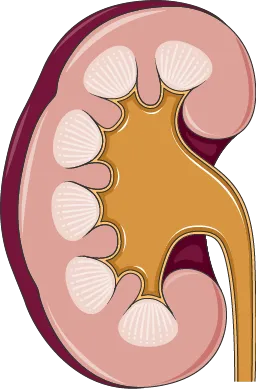
Kidneys
Your kidneys filter waste from your blood, balance fluids and minerals, and help control blood pressure.
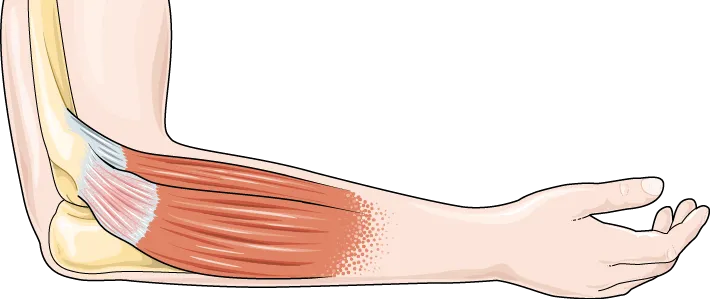
Muscles
Your muscles move and steady your body. Autoimmune muscle disease shows up as true weakness, not just soreness.
Illustrations: Servier Medical Art, CC BY 4.0

Ready to find the root cause?
Dr. Lesher is a Naturopathic Doctor who focuses on autoimmune and chronic conditions in women. Since 2020, she's helped hundreds of patients stop managing symptoms and start healing.