 Fullscript
Progressive Labs
U-Tract Complete
Label amount: 1,000 mg
Also called: Vaccinium macrocarpon, cranberry PACs (proanthocyanidins)
A tart red berry whose PACs (proanthocyanidins) may help keep bacteria from sticking to the bladder wall. It may lower the chance of repeat UTIs in some people, but it doesn't treat an active infection.
Medical Disclaimer
Supplements can interact with medications and aren't right for everyone, especially during pregnancy or breastfeeding, or with a chronic condition. Ask your provider before you start.
2 products in the Lesher Wellness store list cranberry on the label.
Medical Disclaimer
Check with your provider before taking any of these, especially if you're pregnant or take medications.
FullscriptLabel amount: 1,000 mg
 Fullscript
Label amount: 500 mg
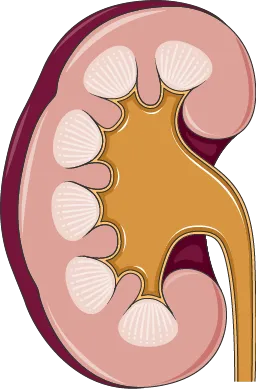
Explore what each area does and the conditions that can affect it.
Illustrations: Servier Medical Art, CC BY 4.0

Dr. Lesher is a Naturopathic Doctor who focuses on autoimmune and chronic conditions in women. Since 2020, she's helped hundreds of patients stop managing symptoms and start healing.