
Apple cider vinegar
Also called: ACV, acetic acid
Vinegar made from fermented apple juice. Its acetic acid may modestly lower blood sugar after starchy meals. It's acidic, so dilute it to protect your teeth and throat.
Medical Disclaimer
Supplements can interact with medications and aren't right for everyone, especially during pregnancy or breastfeeding, or with a chronic condition. Ask your provider before you start.
Studied for
- Blood sugar after meals (small effects in some studies)
- Feeling full after meals (small effects)
- Digestion, traditionally (limited evidence)
Found naturally in
- Apple cider vinegar (bottles labeled 'with the mother' are unfiltered)
- Other vinegars, which also contain acetic acid
Label red flags
- Acetic acid amount not listed
- Added sugar
- Weight-loss claims
Check with a provider
- Taking diabetes medicine or insulin (risk of low blood sugar)
- Low potassium, or taking 'water pills' or digoxin. Large amounts may lower potassium.
- Tooth enamel: always dilute it, drink it with food, and rinse your mouth afterward
- Heartburn, ulcers, or gastroparesis (slow stomach emptying)
- Kidney disease
Usually found in ACV capsules and gummies, blood sugar and metabolic formulas, weight management products. Browse the Lesher Wellness store
Parts of the body it affects
Explore what each area does and the conditions that can affect it.
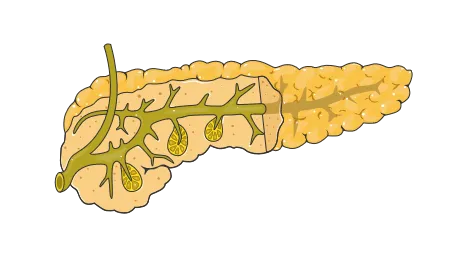
Pancreas
Your pancreas makes digestive enzymes and the hormones insulin and glucagon, which keep blood sugar steady.
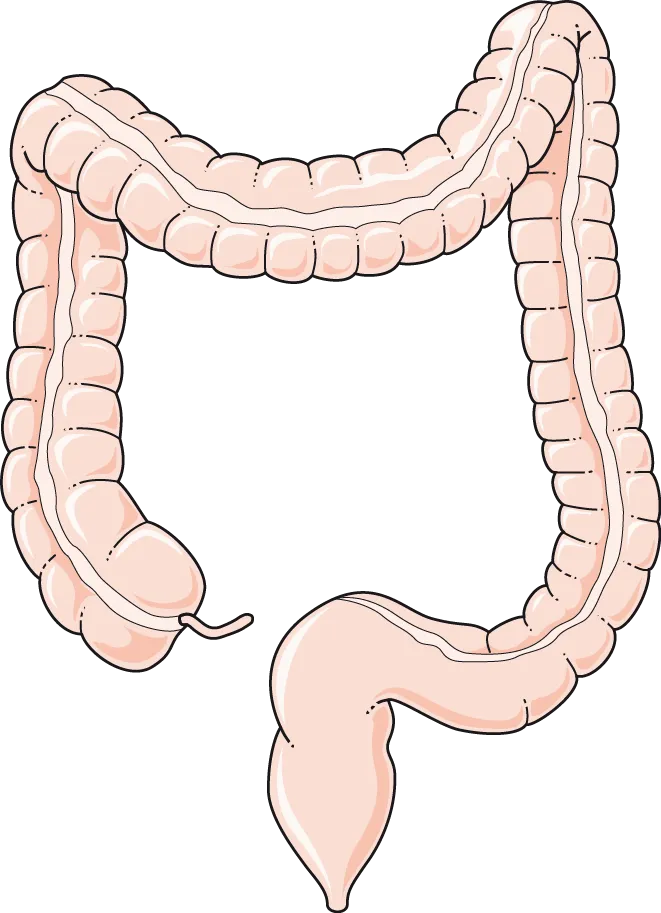
Digestive tract
Your stomach and intestines absorb nutrients and hold most of your body's immune tissue, which makes the gut a common target in autoimmune disease.
Illustrations: Servier Medical Art, CC BY 4.0

Ready to find the root cause?
Dr. Lesher is a Naturopathic Doctor who focuses on autoimmune and chronic conditions in women. Since 2020, she's helped hundreds of patients stop managing symptoms and start healing.