
Hyaluronic acid
Also called: HA, sodium hyaluronate
A natural substance that holds water in your skin and joint fluid. Taken by mouth, it's studied for skin moisture and joint comfort.
Medical Disclaimer
Supplements can interact with medications and aren't right for everyone, especially during pregnancy or breastfeeding, or with a chronic condition. Ask your provider before you start.
Studied for
- Dry skin and skin moisture (some studies)
- Knee and joint comfort (small studies)
Found naturally in
- Your body makes it, but less with age
- Bone broth
- Animal skin and connective tissue
Label red flags
- Joint or skin blends with only a tiny amount of hyaluronic acid
- Topical serums, which are a different use from the oral supplement
Check with a provider
- Pregnancy or breastfeeding (not well studied)
- Egg or poultry allergy, if it comes from rooster comb
- History of cancer or in cancer treatment. Ask your oncology team first.
Usually found in skin and beauty formulas, joint formulas, collagen blends. Browse the Lesher Wellness store
Parts of the body it affects
Explore what each area does and the conditions that can affect it.
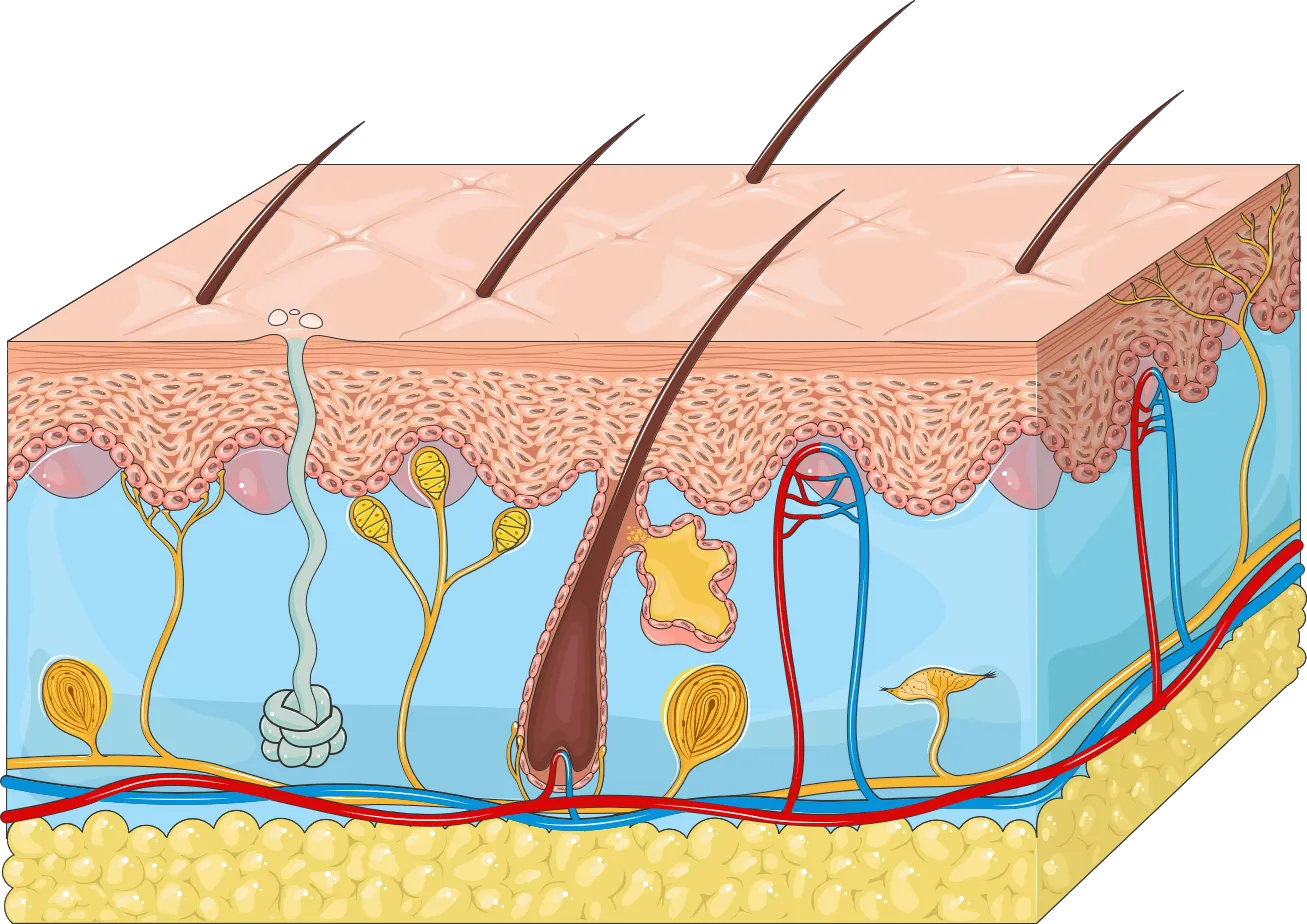
Skin
Your skin is your largest organ and a major immune barrier. Rashes, patches, and color changes are often the first visible signs of an autoimmune condition.
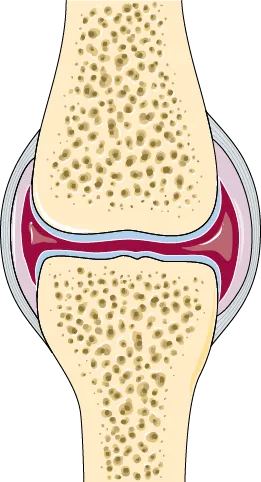
Joints
Joints let your bones move smoothly. Swelling and morning stiffness, rather than ache alone, can point to inflammation.
Illustrations: Servier Medical Art, CC BY 4.0

Ready to find the root cause?
Dr. Lesher is a Naturopathic Doctor who focuses on autoimmune and chronic conditions in women. Since 2020, she's helped hundreds of patients stop managing symptoms and start healing.