
Premenstrual dysphoric disorder
PMDD
Chronic conditionPMDD causes severe mood and physical symptoms in the 1 to 2 weeks before a period. They improve soon after bleeding starts and disrupt work or relationships. It's a real, treatable medical condition, and more than bad PMS.
For education only — this guide can't diagnose you. If these signs sound familiar, talk with a healthcare provider. Book a consult
What happens
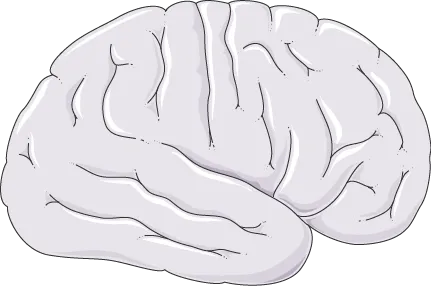
Hormone levels are typically normal in PMDD. The current thinking is that the brain is unusually sensitive to the normal shifts in estrogen and progesterone during the cycle, and that serotonin is involved. Timing is the defining pattern: symptoms come on in the week or two before your period, ease within a few days of it starting, and are minimal or gone in the week after it. This sets PMDD apart from depression or anxiety that worsens before a period, where symptoms persist through the rest of the month.
Who gets it
PMDD affects about 1 in 20 women of reproductive age. It can begin any time after periods start. Risk is higher with a personal or family history of depression, anxiety, or postpartum depression, and with past trauma or high stress.
Signs worth getting checked
- Marked mood swings
- Irritability or anger
- Depressed mood or hopelessness
- Anxiety or feeling on edge
- Losing interest in things you usually enjoy
- Trouble concentrating
- Fatigue or low energy
- Appetite changes or food cravings
- Sleeping too much or too little
- Feeling overwhelmed or out of control
- Breast tenderness, bloating, joint or muscle aches, or headaches
Labs to ask about
- There's no blood test for PMDD. Diagnosis rests on a daily symptom diary over at least 2 cycles, such as the Daily Record of Severity of Problems.
- TSH, since thyroid symptoms overlap
- CBC and ferritin, to check for anemia and low iron
- A pregnancy test, if relevant
- Screening for depression and anxiety
Treatments your doctor may discuss
- SSRIs (fluoxetine, sertraline, or paroxetine CR), taken daily or only in the 2 weeks before your period
- Certain birth control pills containing drospirenone, taken with a shortened or skipped hormone-free interval
- Cognitive behavioral therapy (CBT)
- For severe cases that don't respond, specialist-guided ovarian suppression with a GnRH agonist plus add-back hormones
- Removal of the ovaries, a rare last resort
Supportive steps to discuss with your provider
- Track your symptoms daily to show the pattern.
- Plan around your difficult days when you can.
- Protect your sleep, move regularly, and eat regular meals.
- Some studies support calcium for PMS symptoms. Ask what fits you.
- Tell people close to you what to expect.
See a doctor promptly if you have
- Thoughts of suicide or harming yourself: call or text 988, or call 911 if you're in immediate danger
- Symptoms that disrupt work, school, or relationships
- Symptoms that don't lift after your period starts
- Symptoms that began or worsened after starting or changing hormonal birth control or an antidepressant. Don't stop an antidepressant suddenly; call your provider first
Research on this condition
Links to published research on non-drug approaches, for reference. These studies aren't a complete picture of treatment and don't replace care your provider prescribes. Listing a study doesn't mean Lesher Wellness endorses its findings or methods, and it isn't medical advice.
Review
Zinc, copper, and magnesium in premenstrual disorders: a narrative review.
Pharmacological Reports 2025
Randomized controlled trial
Combined mind-body intervention for premenstrual dysphoric disorder: A randomized controlled trial.
Health Care for Women International 2025
Randomized controlled trial
Emotion-focused therapy for women with premenstrual dysphoric disorder: a randomized clinical controlled trial.
BMC Psychiatry 2024
Randomized controlled trial
A 1-week sleep and light intervention improves mood in premenstrual dysphoric disorder in association with shifting melatonin offset time earlier.
Archives of Women's Mental Health 2023
Randomized controlled trial
Saffron for the Management of Premenstrual Dysphoric Disorder: A Randomized Controlled Trial.
Advanced Biomedical Research 2020
Randomized controlled trial
Internet-Based Cognitive-Behavioural Intervention for Women with Premenstrual Dysphoric Disorder: A Randomized Controlled Trial.
Psychotherapy and Psychosomatics 2019
Related conditions

Ready to find the root cause?
Dr. Lesher is a Naturopathic Doctor who focuses on autoimmune and chronic conditions in women. Since 2020, she's helped hundreds of patients stop managing symptoms and start healing.